How to Find Reliable Suppliers for Your Import Business: A Practical Guide
Finding a supplier is easy. Finding a supplier who ships on time, meets your quality spec, and doesn’t disappear after the deposit clears — that’s the actual job. Most import businesses don’t fail because they picked the wrong product. They fail because they picked the wrong supplier.
This guide walks through where to look, how to verify a supplier before you commit real money, and how to structure your first order so a bad match costs you a sample, not a shipment.
Why Supplier Selection Is the Highest-Risk Step in Importing
Once goods are on a vessel or in the air, your leverage drops sharply. A payment method like a letter of credit can protect the money side of the transaction, but it can’t fix a supplier who ships the wrong product, cuts corners on materials, or goes quiet during production. Vetting has to happen before the first purchase order, not after a problem shows up at customs.
The businesses that source well treat supplier selection as due diligence, not a quick Google search followed by a wire transfer.
Where to Actually Find Suppliers
1. B2B trade directories and marketplaces
Platforms like Alibaba, Global Sources, and Made-in-China list thousands of manufacturers by product category and region. They’re a fast starting point, but listing on a marketplace is not a credential — anyone can create a storefront. Use these platforms for discovery, not for final trust.
2. Trade data and customs records
Import/export shipment data (searchable by HS code) shows you which companies are actually shipping a product, in what volumes, and to which buyers — not just who claims to manufacture it. This is one of the more reliable ways to separate active exporters from empty directory listings.
3. Trade shows and industry associations
In-person trade fairs remain one of the highest-signal sourcing channels because you can inspect samples, meet the team, and compare multiple suppliers side by side in a single trip. Industry associations and chambers of commerce in the exporting country can also provide vetted member lists.
4. Sourcing agents and trade consultants
A sourcing agent or trade consultant with an on-the-ground presence in the manufacturing region can pre-screen suppliers, negotiate terms, and inspect facilities on your behalf — closing the information gap that makes remote sourcing risky in the first place. This is where working with a dedicated trade consulting and sourcing partner shortens the timeline from “found a listing” to “confirmed a reliable factory.”
How to Vet a Supplier Before You Commit
Run every serious candidate through the same checklist:
- Request business documentation. Ask for a business license, export registration, and factory address. Cross-check the registered company name against customs or government trade registries where possible.
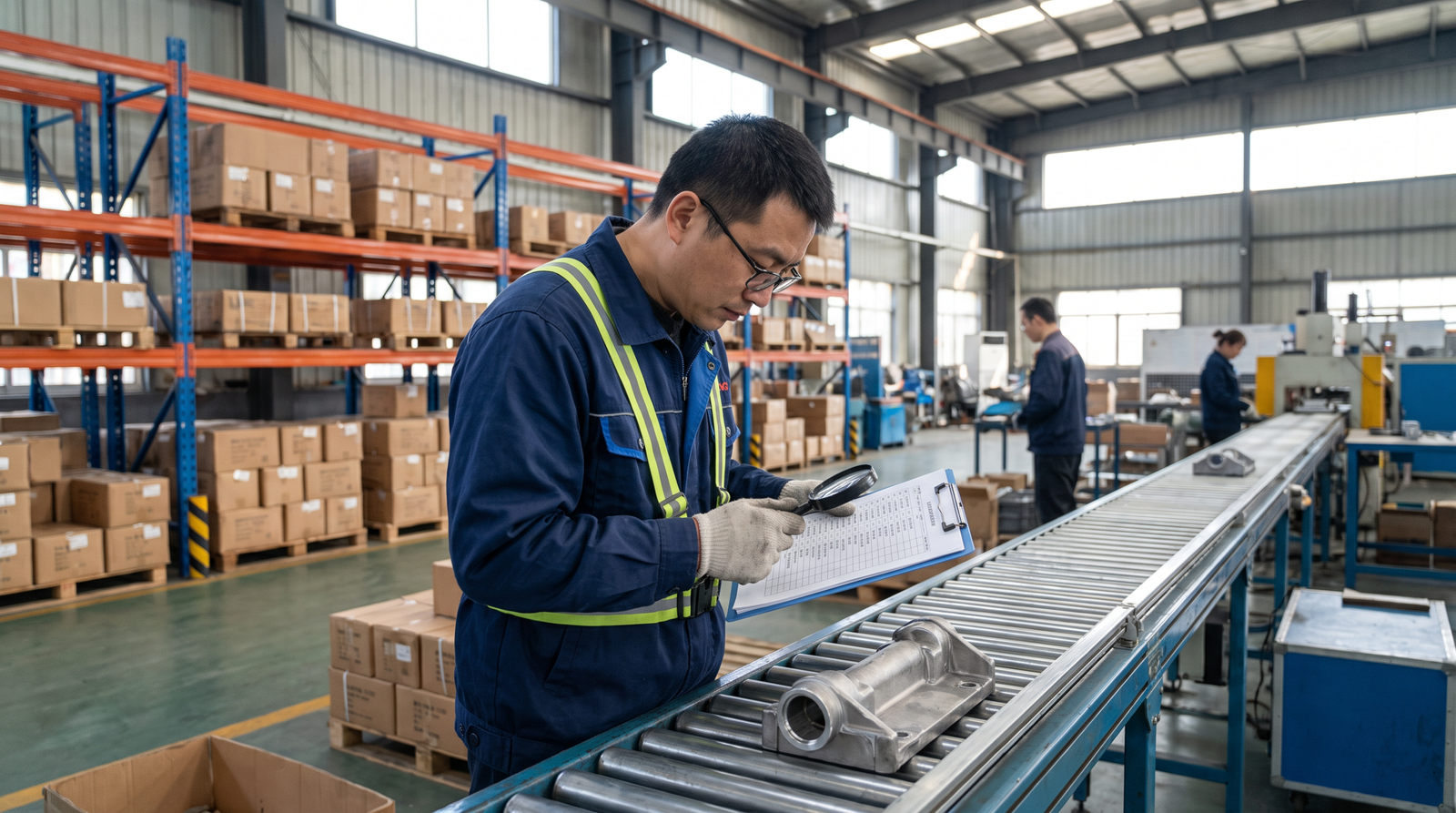
- Check production capability, not just claims. Ask for photos or video of the actual production line, not just product photos. A legitimate manufacturer will not hesitate to show you the floor.
- Test responsiveness early. A supplier who is slow, vague, or evasive during the sales stage — when they’re trying to win your business — rarely gets more responsive once you’ve paid a deposit.
- Ask for references. Established suppliers can point you to existing buyers, ideally in your region or industry, who can confirm order history and consistency.
- Confirm quality and compliance certifications. Depending on your product category, this may include ISO certifications, safety testing reports, or country-specific compliance marks.
- Order samples before you order stock. A sample confirms the product matches the specification. It does not confirm the supplier can reproduce that quality at volume — that’s what the next step is for.
- Place a small trial order first. Before committing to a full container or bulk order, run one trial production batch through your full process: production, inspection, payment, and shipping. Problems that don’t appear in a sample often show up at scale.
Red Flags Worth Walking Away From
- Prices significantly below every other quote for the same specification, with no clear explanation
- Reluctance to provide business licensing or a verifiable factory address
- Pressure to pay the full amount up front before any sample or trial order
- Inconsistent company details across their website, invoices, and communications
- No willingness to accept a third-party quality inspection before shipment
Any one of these alone isn’t necessarily disqualifying, but two or more together are a strong signal to keep looking.
Matching Payment Terms to Supplier Trust Level
How much you pay upfront should scale with how well you know the supplier — not with how good the deal looks. For a new, unverified supplier, favor lower-risk terms such as a smaller deposit with the balance against shipping documents. As the relationship proves out over multiple orders, terms can shift toward open account. Our guide to international trade payment methods breaks down the cost and risk trade-offs of each option in more detail.
Sourcing Is Only Half the Chain
A reliable supplier gets your product made correctly. A reliable logistics partner gets it to you intact and on schedule. The two are connected: even a well-vetted supplier’s shipment can be undermined by poor freight coordination, customs delays, or an inexperienced forwarder. See our breakdown of what makes a logistics company reliable for the criteria to apply on the shipping side of the same import.
How Arsham Trade Helps
Arsham Trade works directly with importers on both sides of this equation — sourcing and supplier vetting on one end, and freight, customs, and logistics execution on the other. Instead of managing supplier discovery, verification, and shipping coordination as three separate, disconnected efforts, our team handles the process as one continuous chain from factory to delivery.
If you’re evaluating a new product category or a new sourcing region, talk to our team before you send a deposit — a short review of the supplier and terms can save far more than it costs.
This article is part of the Arsham Trade knowledge base on international trade operations. For related reading, see our guides on international trade payment methods and qualities of a reliable logistics company.
Frequently Asked Questions
Q: How can I verify a supplier is legitimate before paying a deposit?
Request business licensing and export registration, ask for photos or video of the actual production line rather than product photos alone, and check references from existing buyers. Treat vague or evasive answers during the sales stage as a warning sign — a supplier who is slow to respond before you’ve paid rarely improves after.
Q: What’s the safest way to pay a new, unverified supplier?
Favor lower-risk payment terms with a new supplier — a smaller deposit with the balance tied to shipping documents, rather than full payment up front. As the relationship proves out over multiple orders, terms can shift toward more open arrangements. See our guide to international trade payment methods for how each option balances cost and risk.